


The Archive
Thoughts on memory, voice, and the devices quietly shaping how we remember. The Archive is where we explore memory-first technology, voice-based devices, and the form factors shaping how AI fits into everyday life. No announcements. No hot takes. Just ideas worth keeping.
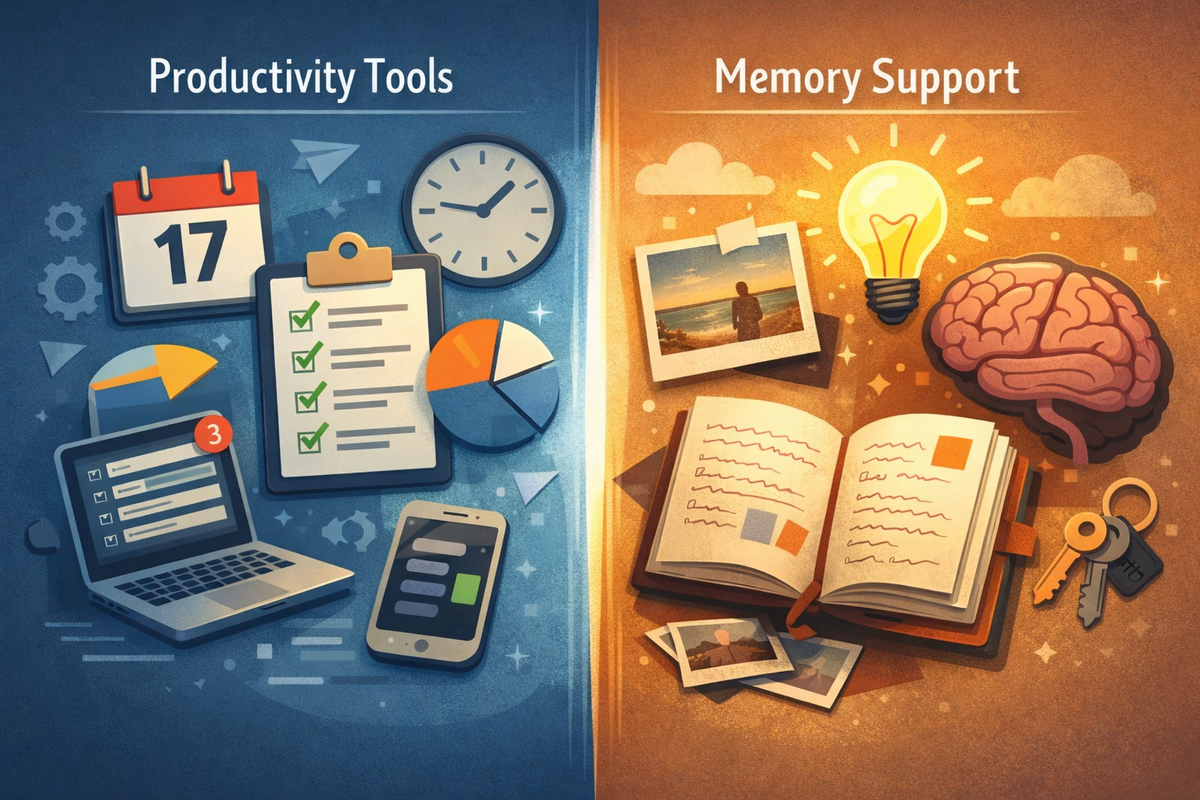
Why memory support feels different from productivity tools
Why memory-first tools feel calmer and more effective than productivity systems, especially for people with ADHD who experience high cognitive load and frequent context switching.
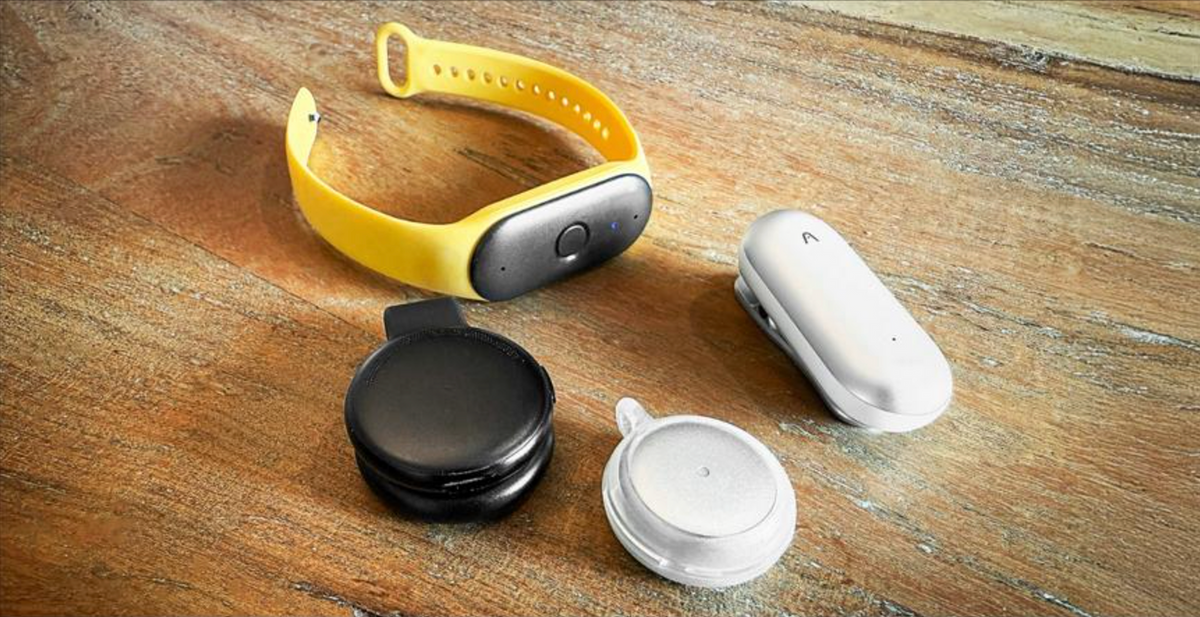
The difference between AI pendants and AI rings
A clear look at the difference between AI rings and AI pendants, explaining why rings focus on health tracking while pendants are designed for transcription, memory, and recall.
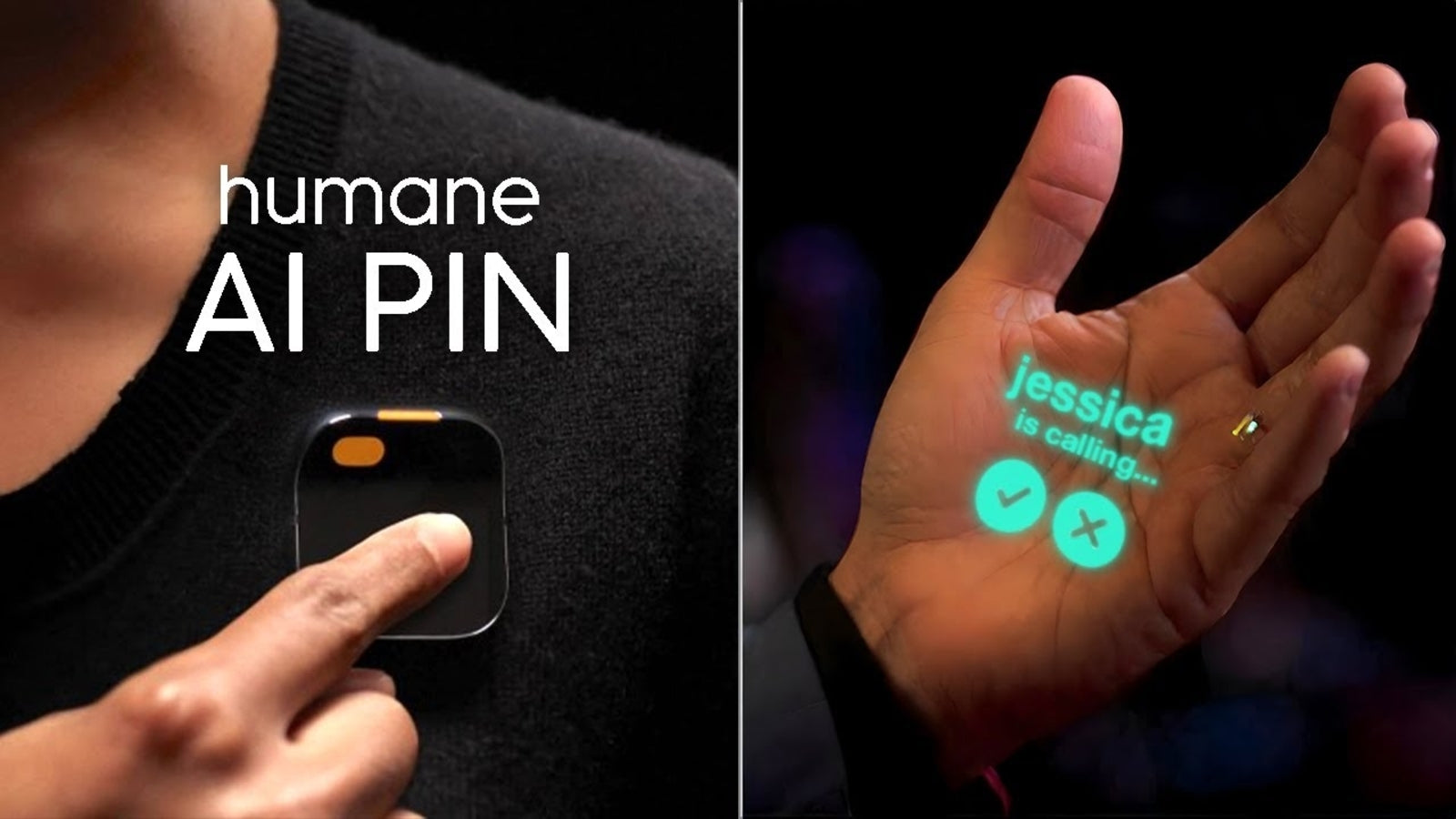
A look back at Humane, its ambition to rethink screenless computing, and why its journey and eventual acquisition remain an interesting moment in the evolution of AI and wearables.
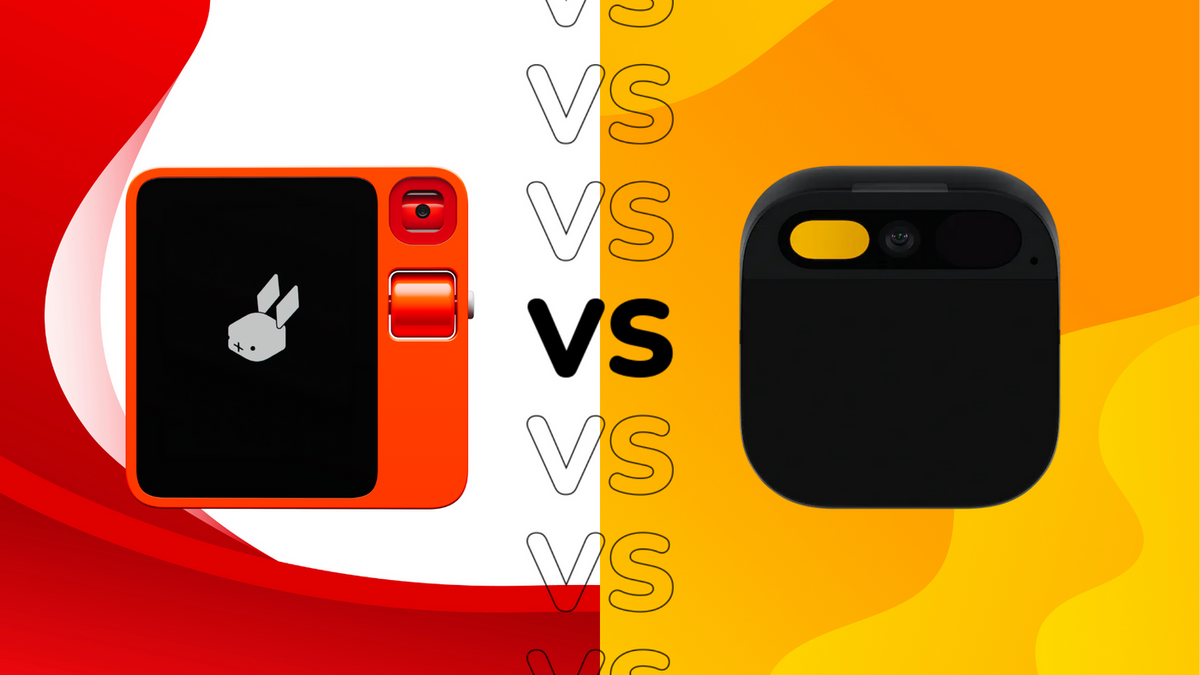
A comparison of the Rabbit R1 and the Humane AI Pin, two ambitious AI wearable devices with very different interaction models and design philosophies, and what each reveals about the future of computing.
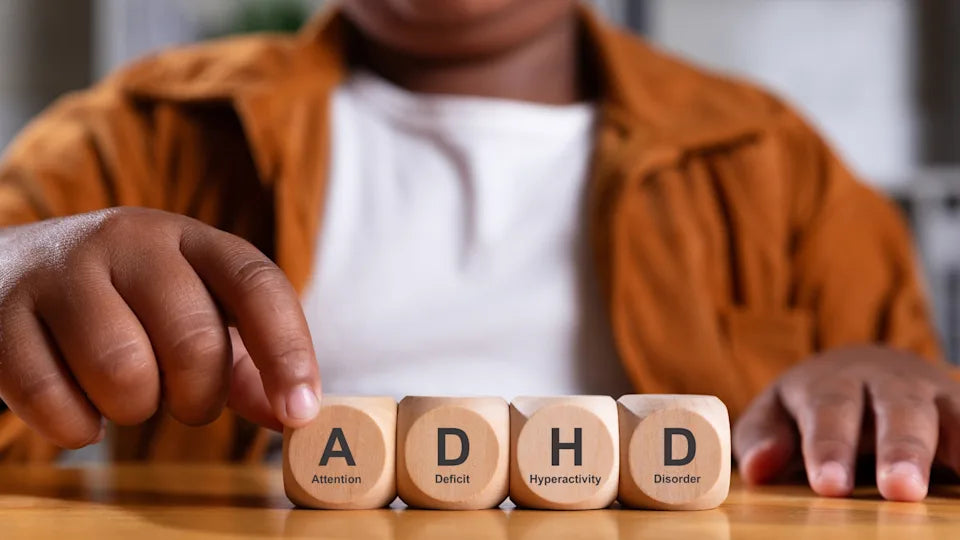
AI assistance devices and ADHD. What actually helps
A look at how AI assistance devices are evolving to better support people with ADHD by reducing friction, capturing thoughts in real time, and helping preserve context without demanding attention.
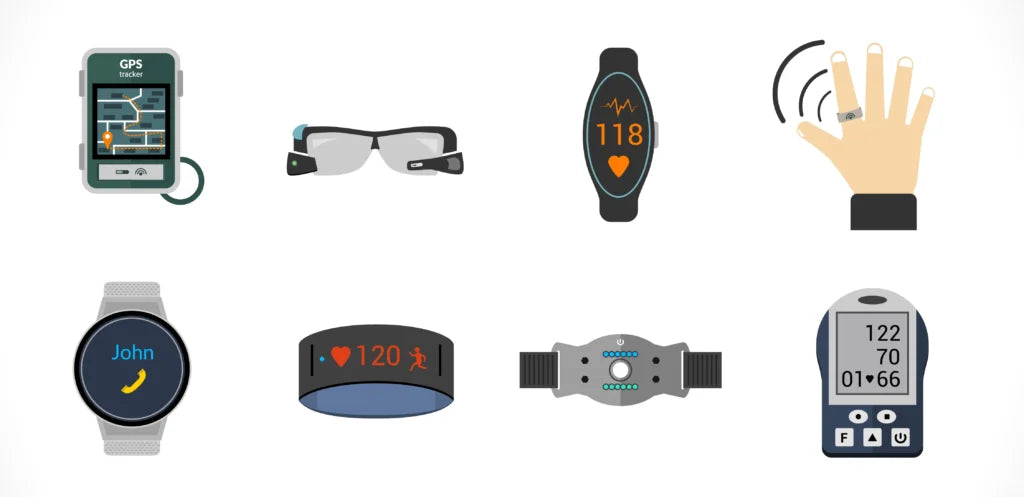
Why form factor matters for AI devices
A look at how different AI device form factors shape the way transcription and memory fit into daily life, and why necklace-style devices tend to work best when continuity and low effort matter most.
A guide to AI devices that transcribe your life
A look at the AI devices that listen, transcribe, and help people remember everyday conversations, including Legend, Bee, Limitless, and other voice-first tools.
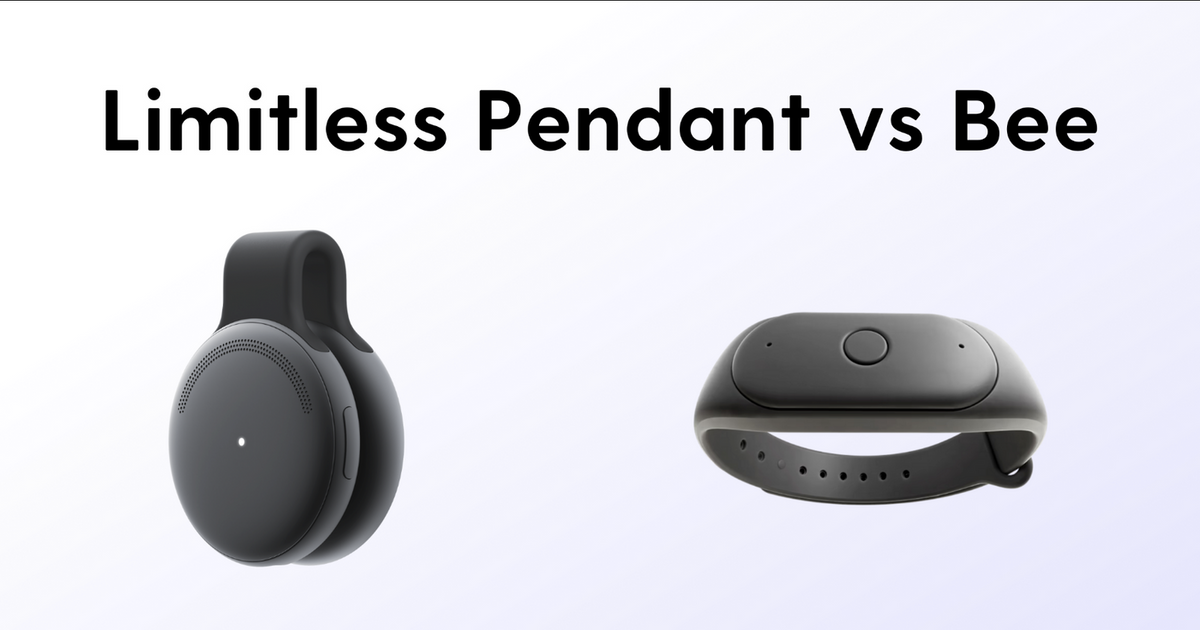
Limitless vs Bee. A comparison of voice-first memory devices
Limitless and Bee were two early voice-first memory devices with very different approaches to features and pricing. This comparison looks at how they worked, who they were for, and what their paths reveal about the future of AI wearables.
Amazon just acquired a voice-first computer
Amazon has acquired Bee, the company behind a voice-first computer designed to listen and remember. This piece explores what the acquisition might signal about memory, voice-based computing, and the future of everyday technology.