


The ambition
Humane entered the conversation with a bold idea.
Not a phone. Not a wearable that extended an existing screen. But a new kind of computer designed to sit alongside daily life and reduce dependence on traditional interfaces.
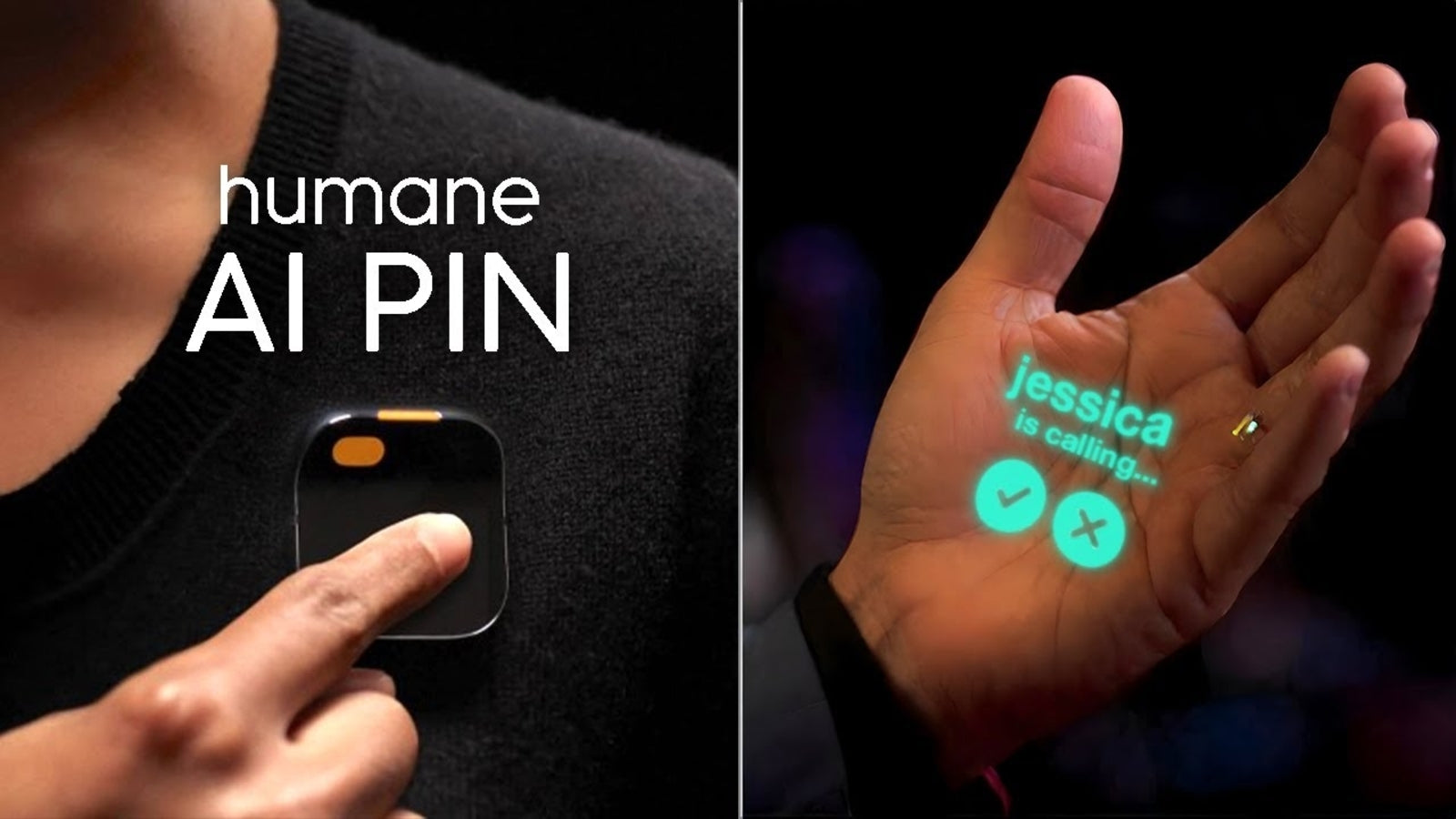
The Humane AI Pin was presented as a step beyond apps and touchscreens. Voice-first. Context-aware. Designed to be worn, not held. The ambition was clear. Reimagine how people interact with technology entirely.
That ambition mattered. Even before the product shipped, it influenced how people talked about the future of computing.
The product
Humane shipped the AI Pin as a standalone device with its own hardware, software, and interaction model.
It relied on voice, gestures, and projection rather than a screen. It aimed to act as an assistant that could answer questions, summarize information, and support daily tasks without pulling people into a phone.
This was a meaningful departure from incremental change. Humane was not optimizing an existing category. It was attempting to create a new one.
The response
Once the product reached the public, reactions were mixed.
Some people were drawn to the idea of screenless interaction and a device that stayed present throughout the day. Others struggled with the tradeoffs that come with first-generation hardware. Battery life, latency, and real-world usability became part of the conversation.
None of this was unusual.
New computing paradigms often feel awkward before they feel natural. Early versions reveal friction that later iterations smooth out.
The acquisition
Eventually, Humane was acquired. The company did not continue independently as a consumer hardware brand.
Instead, its team, ideas, and technology became part of a larger organization through acquisition. The product itself did not become a mass-market device in its original form.
This outcome is familiar in technology history.
Many ambitious attempts do not reach scale on their own. But they still matter because of what they explore and unlock.
Why it was interesting
What made Humane particularly interesting was not just the product, but the questions it forced people to ask.
What happens when computing leaves the screen. How much interaction is too much. What does it mean for a device to live with you rather than demand your attention.
Humane made those questions concrete.
Even if the product did not evolve the way the company initially envisioned, the exploration itself moved the conversation forward.
A common pattern
Looking back, Humane fits a pattern seen many times before.
A small team challenges an established model. The first version is imperfect. The idea is larger than the execution. A bigger company eventually absorbs the work.
The original product may fade, but the influence does not.
Elements of what Humane explored will likely reappear in other devices, other form factors, and other approaches to AI and wearables.
What remains
Humane showed that people are open to rethinking how technology fits into daily life.
It showed that there is appetite for devices that ask for less attention, not more. And it showed that ambition still matters, even when outcomes change.
Not every important idea becomes a standalone product.
Some become reference points.
Share:
Rabbit R1 vs Humane AI Pin
The difference between AI pendants and AI rings