


The Archive
Thoughts on memory, voice, and the devices quietly shaping how we remember. The Archive is where we explore memory-first technology, voice-based devices, and the form factors shaping how AI fits into everyday life. No announcements. No hot takes. Just ideas worth keeping.
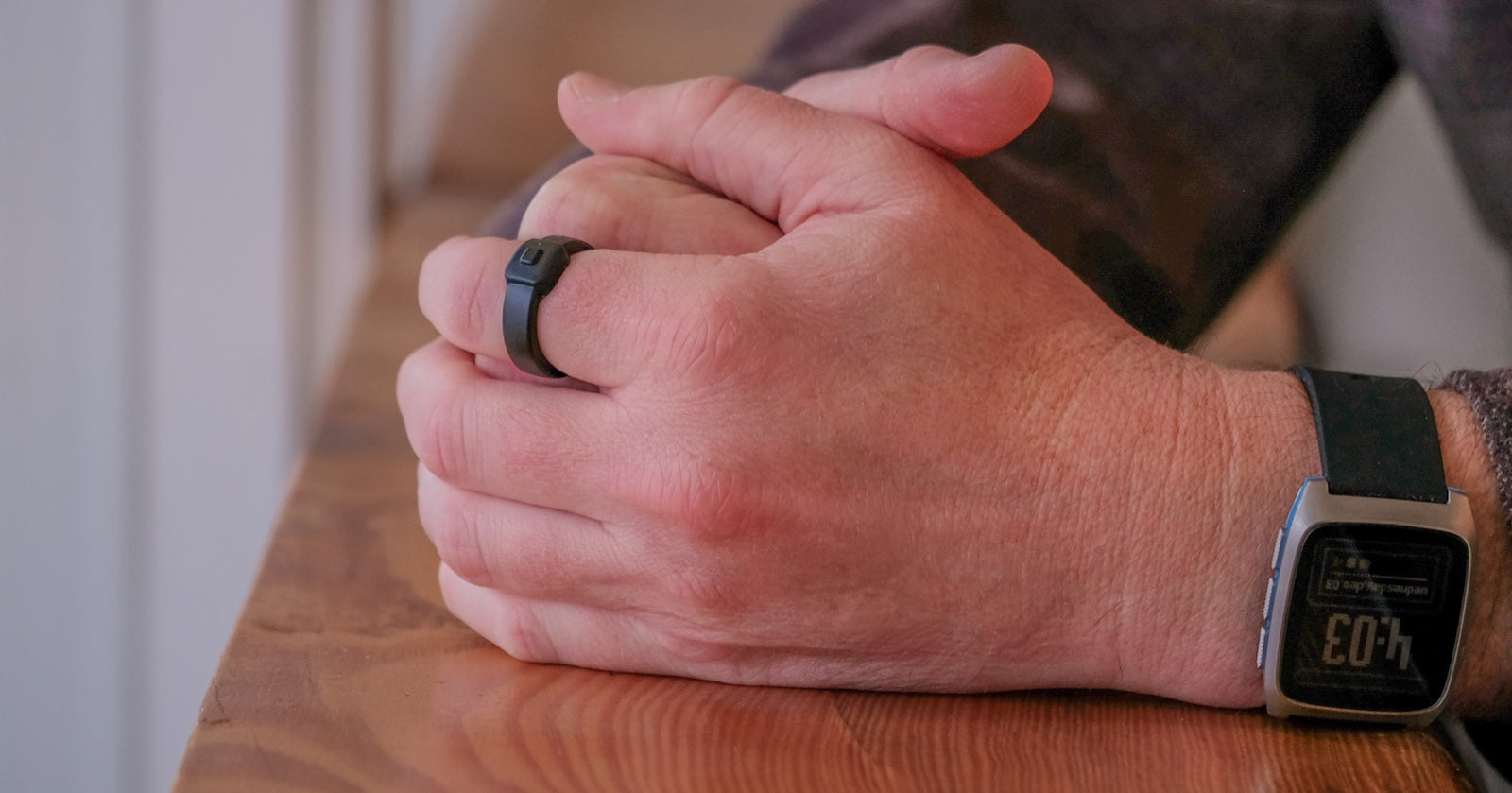
Pebble Index 01 Smart Ring: Price, Specs, and Who Should Buy It
The Pebble Index 01 is a $75 press-to-record voice ring from Core Devices. No charging, no subscription, and transcription that runs locally on your phone. Full specs, the Bee comparison, and who should actually buy one.
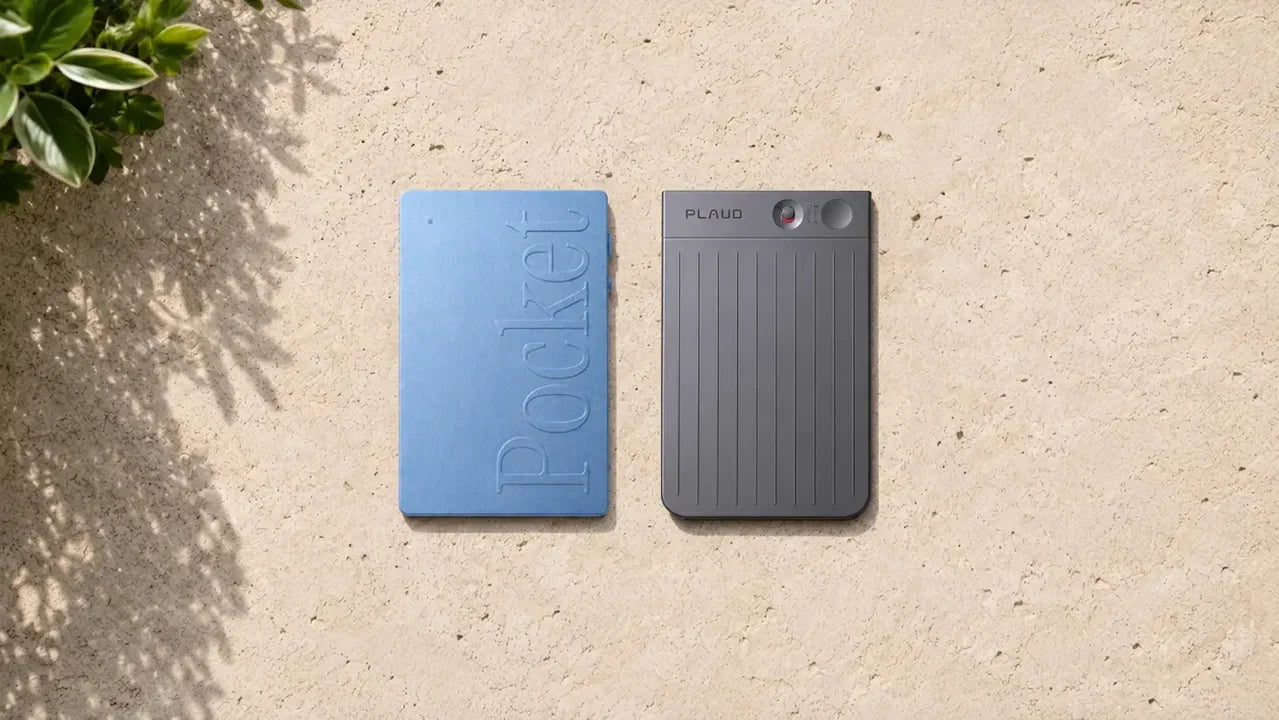
Plaud vs Pocket: Which AI Recorder Should You Buy?
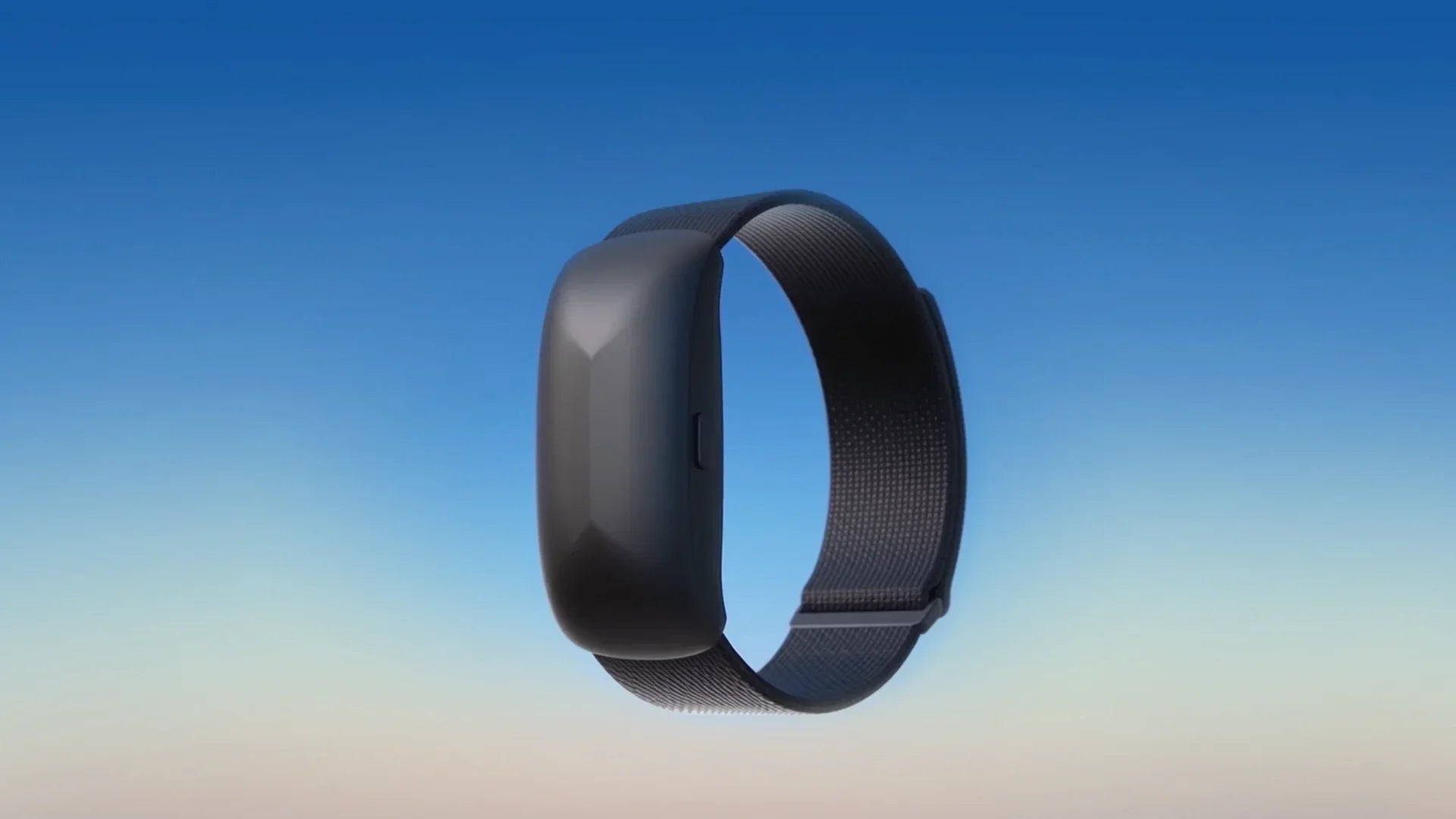
Memoket Gem: Price, Specs, and How It Compares to Bee
The Memoket Gem is a $179 AI recorder that switches between a wristband, an Apple Watch band, a pendant and a clip. Full specs, what the subscription really costs, and how it stacks up against Bee.
AI and wearables. What is actually changing
A look at how artificial intelligence is changing the role of wearables, shifting them from trackers and dashboards into quieter, more supportive devices that live alongside everyday life.
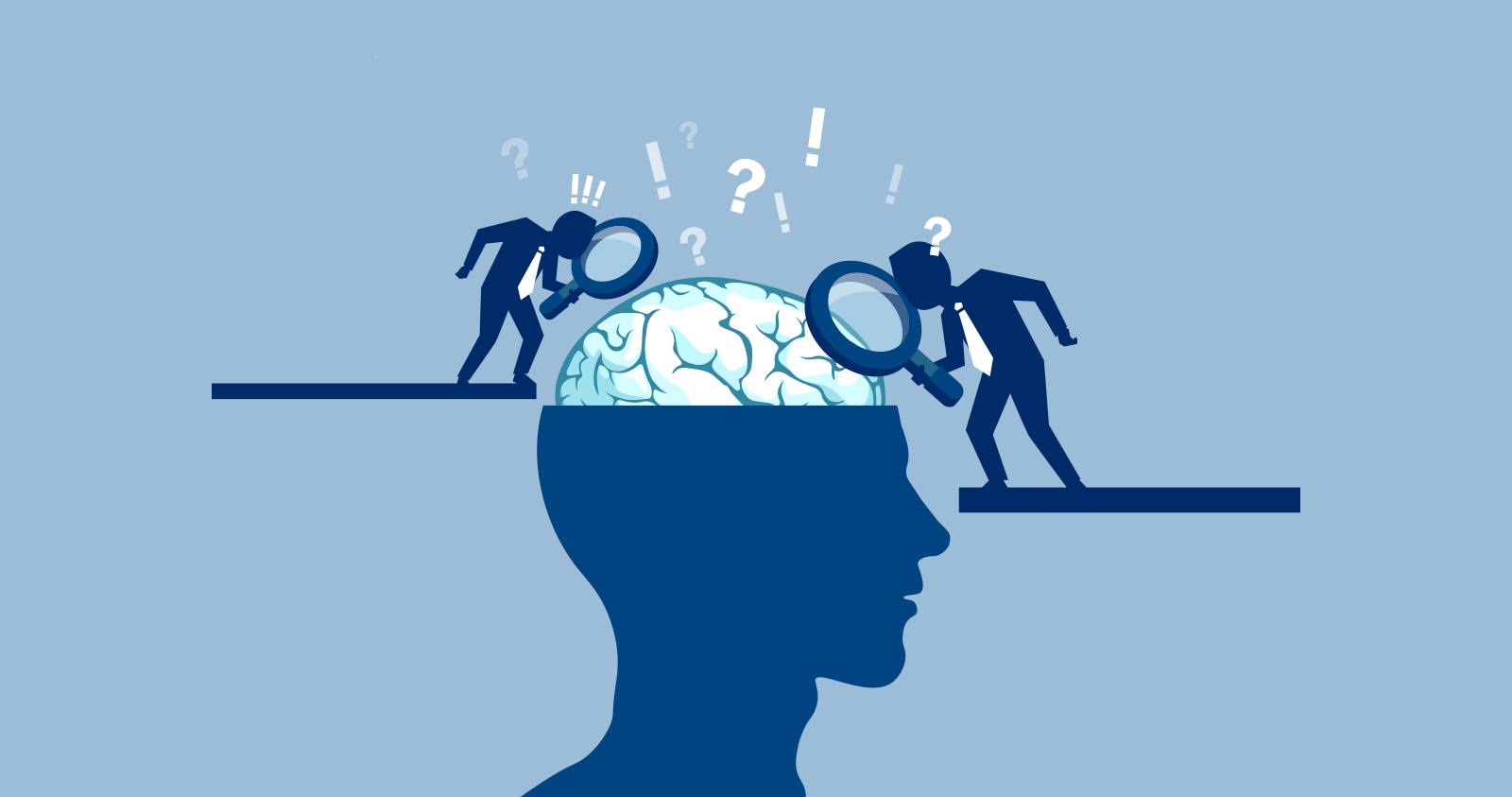
AI, wearables, and cognitive load. Why this matters for ADHD
A look at how AI-powered wearables can reduce cognitive load for people with ADHD by supporting memory, context, and recall without adding more tools, steps, or distractions.
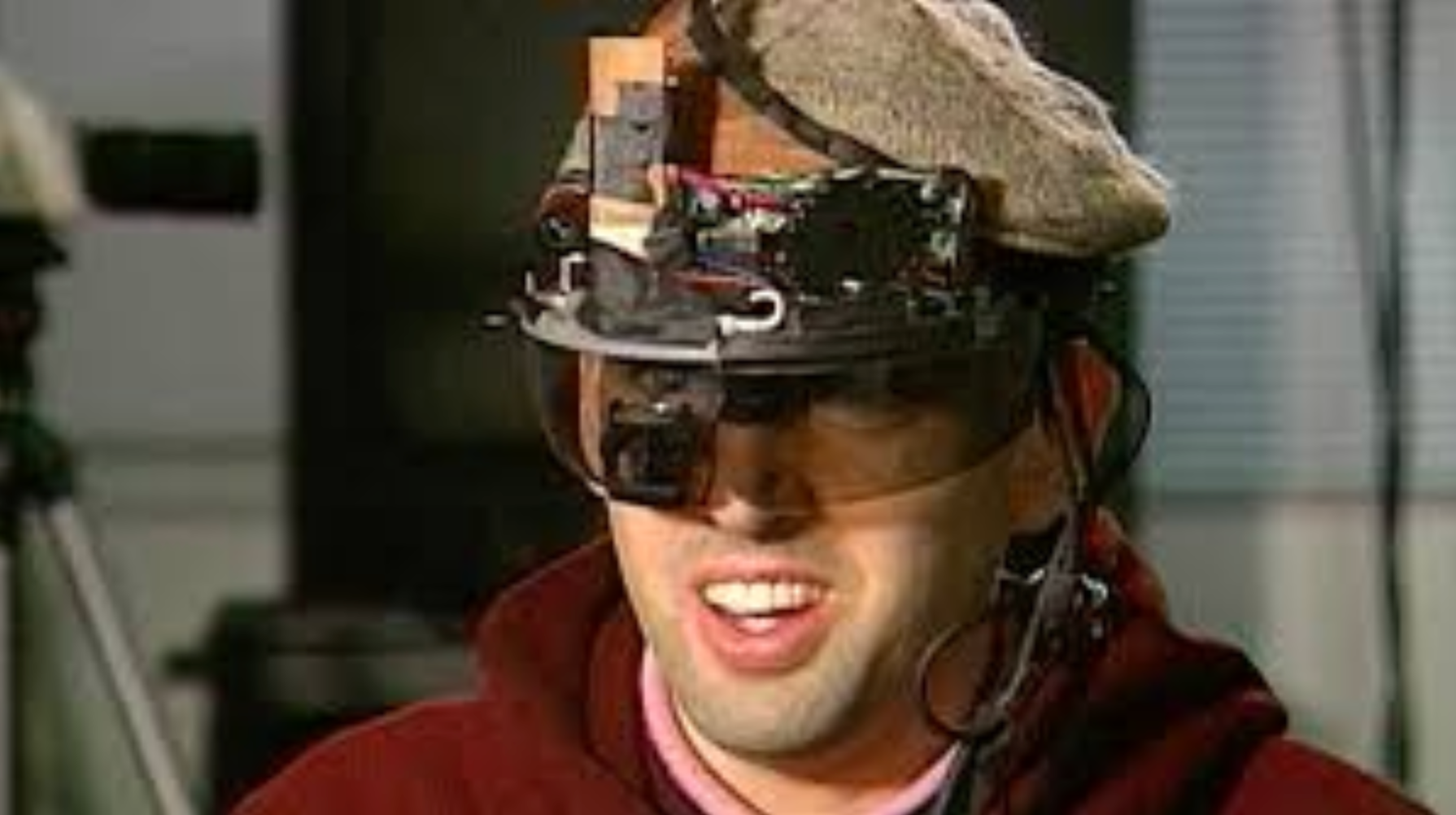
The first known wearable device
A look at the earliest wearable devices, from 17th-century abacus rings to early electronic and wearable computers, and how the idea of wearables has evolved over time.
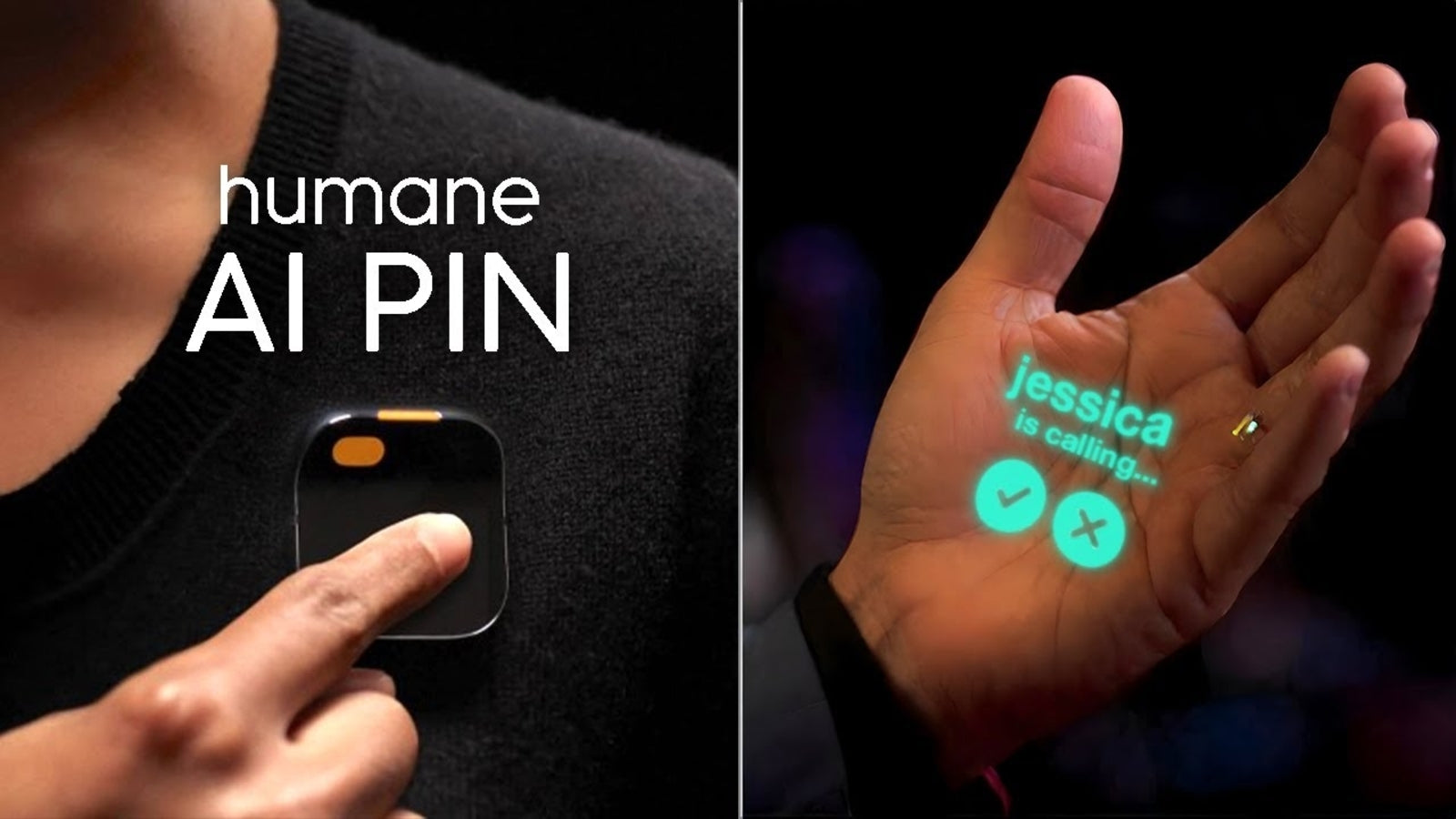
A look back at Humane, its ambition to rethink screenless computing, and why its journey and eventual acquisition remain an interesting moment in the evolution of AI and wearables.
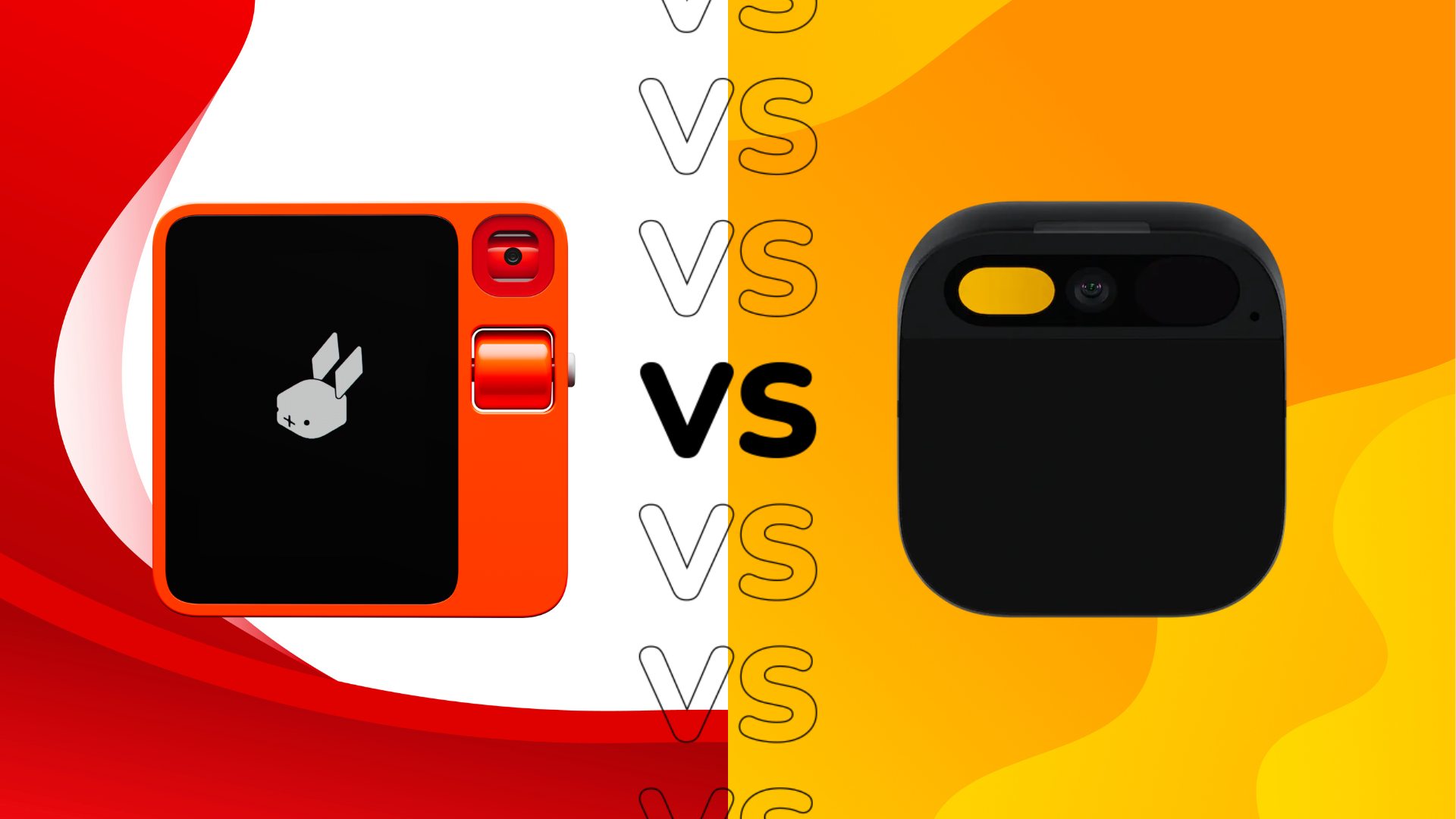
A comparison of the Rabbit R1 and the Humane AI Pin, two ambitious AI wearable devices with very different interaction models and design philosophies, and what each reveals about the future of computing.
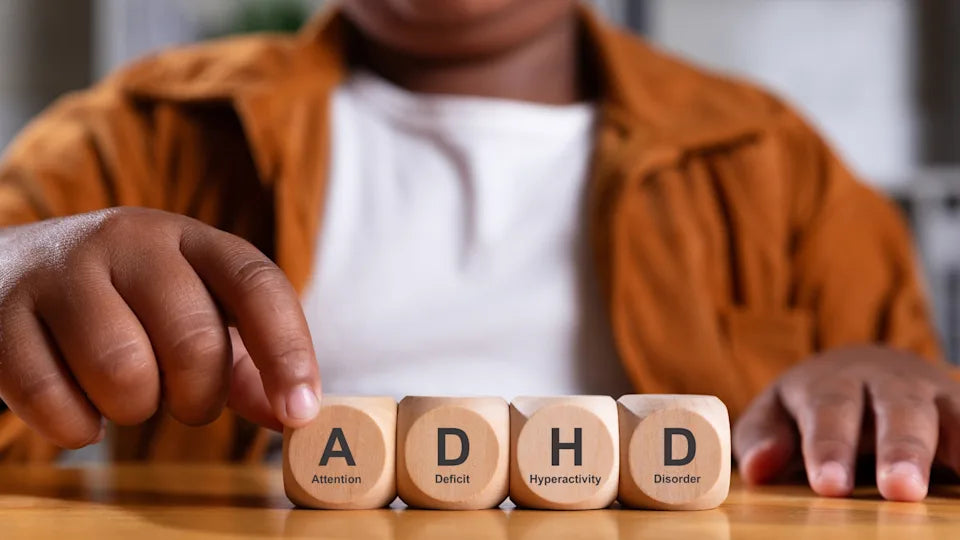
AI assistance devices and ADHD. What actually helps
A look at how AI assistance devices are evolving to better support people with ADHD by reducing friction, capturing thoughts in real time, and helping preserve context without demanding attention.