


Here it is rewritten in your normal Archive format.
Sentence case. Clear headings. Calm, observational. No hype. No selling. This can be published as-is.
What was the first wearable
It depends on what we mean by wearable
There is no single first wearable in the way people often expect.
The answer depends on whether we mean any object worn on the body that extends human capability, or the first electronic device designed to be worn continuously.
Both definitions matter, and together they tell a more interesting story.
The earliest wearable device
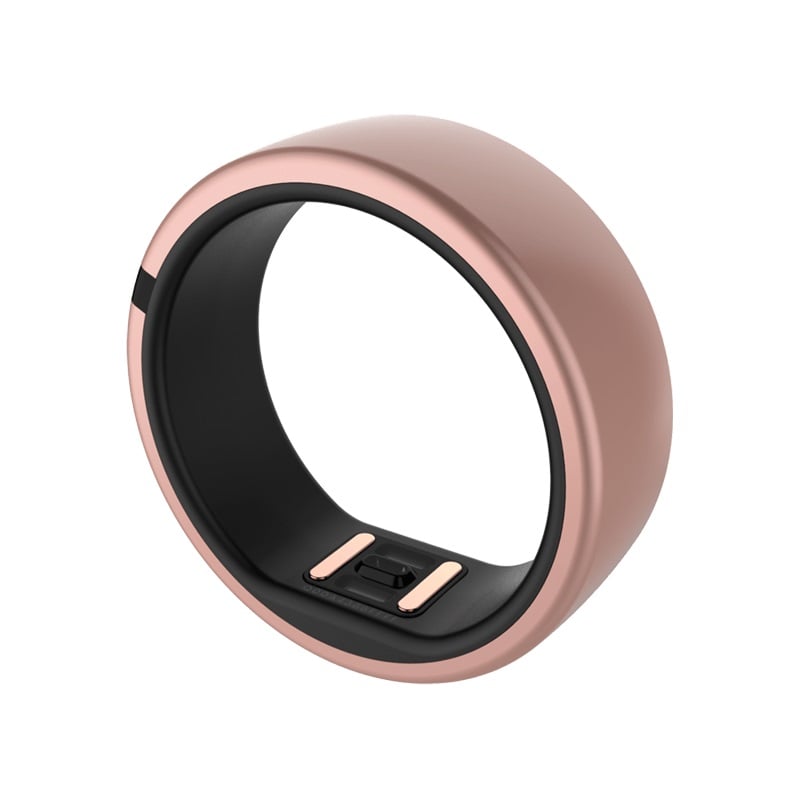
The earliest known wearable device is often traced back to the abacus ring, created in the 1600s.
It was a small mechanical calculator worn on the finger, used to perform basic arithmetic. There was no electricity, no software, and no screen.
What made it a wearable was not its complexity, but its intent. It moved computation closer to the body. It allowed the person to think and calculate without stopping or reaching for a separate tool.
By that definition, the abacus ring fits squarely into the lineage of wearables.

The first electronic wearable
If we move forward to electronic devices, the first widely recognized wearable appears much later.
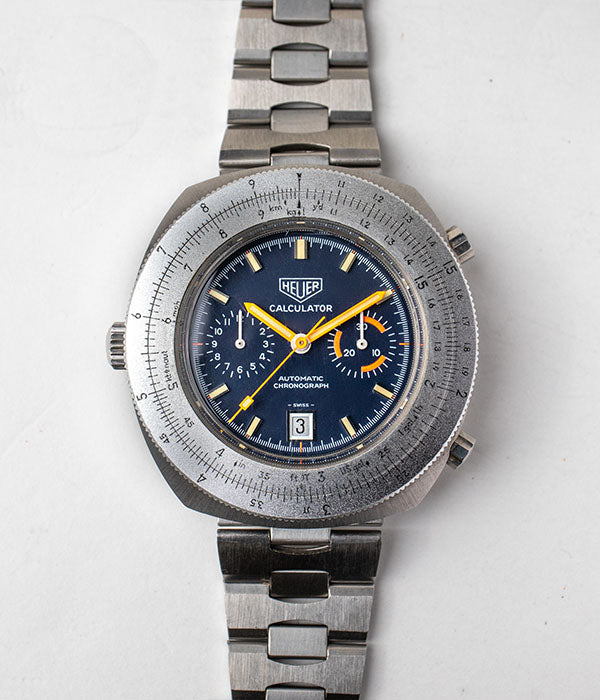
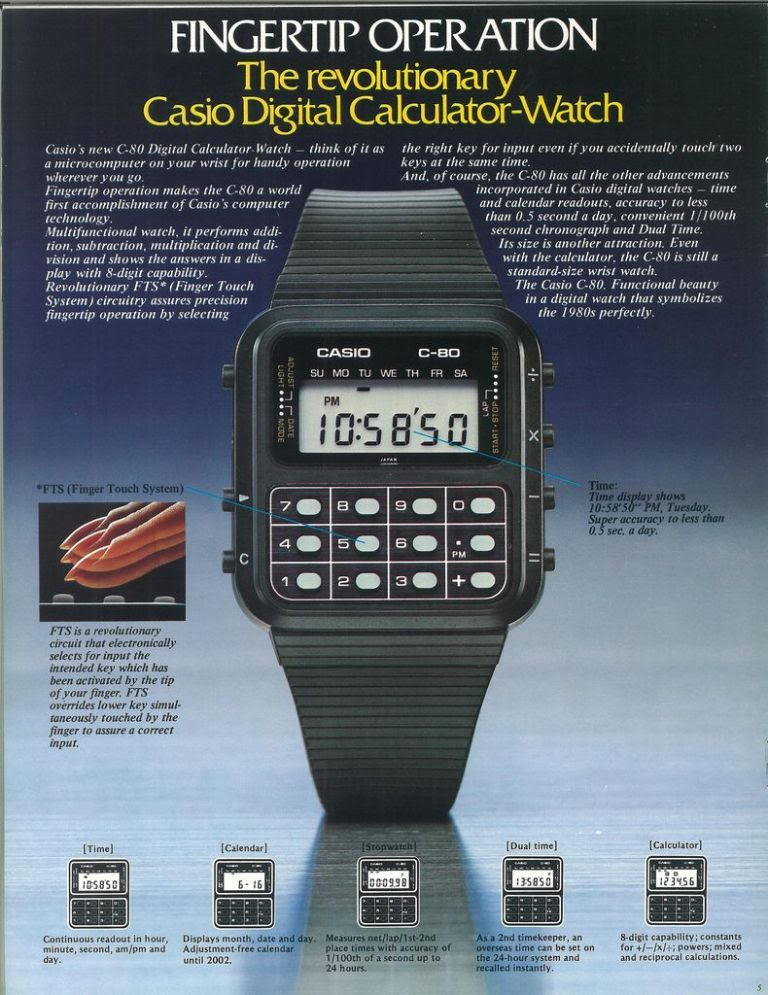
In the 1970s, calculator watches entered the market. The most well-known example was released in 1975 and allowed people to perform arithmetic directly on their wrist.
This mattered because it introduced three ideas that still define wearables today:
-
The device was worn continuously
-
It contained electronics
-
It extended cognition, not just measurement
For many historians, this moment marks the beginning of modern wearable technology.
The first wearable computers
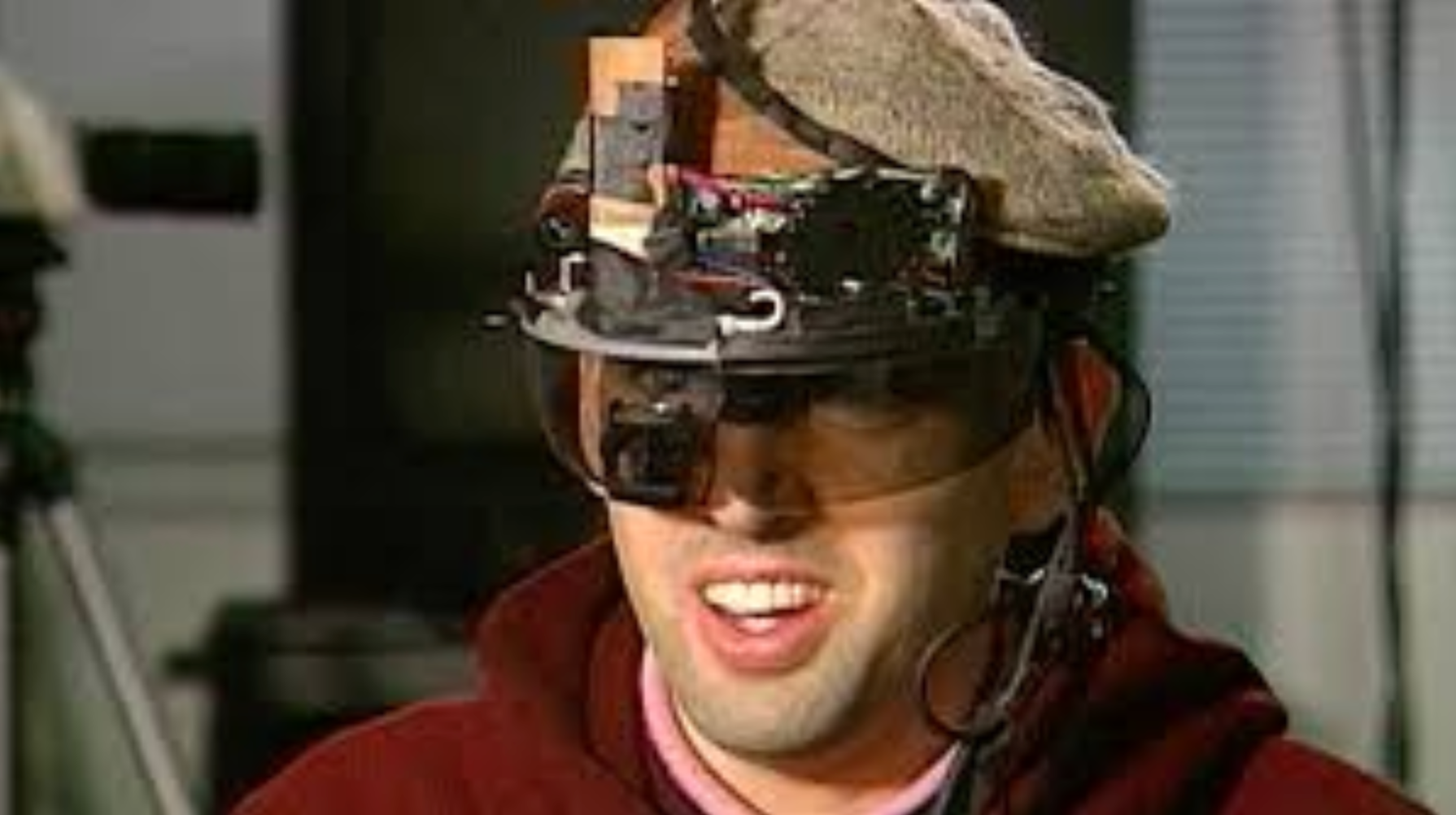
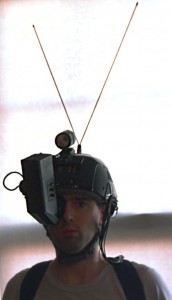
In the 1980s, researchers began experimenting with wearable computers.
These were not consumer devices. They were often bulky systems worn as backpacks, belts, or head-mounted displays. But they introduced a new concept. Computing that stayed with the person at all times.
These early experiments explored ideas that still shape wearables today:
-
Always-on computing
-
Context-aware systems
-
Devices that adapt to the person, not the other way around
They were impractical, but foundational.

What has stayed the same
Across centuries, the form has changed, but the idea has not.
Wearables have always been about reducing friction between thought and action. They move tools closer to the human. They reduce the need to stop, reach, or switch context.
Early wearables helped people calculate. Later ones helped people measure their bodies. Today, they are beginning to help people remember.
Why this matters now
Modern wearables often feel new because of AI, sensors, and software. But they sit on a long continuum.
The question has slowly shifted.
From what the body is doing.
To what the mind is holding.
Understanding where wearables started helps explain why devices like pendants, rings, and other always-on tools keep reappearing.
They are not a trend.
They are a return.
Share:
Why memory support feels different from productivity tools
AI, wearables, and cognitive load. Why this matters for ADHD