


As AI transcription and memory tools move out of phones and into physical devices, one decision quietly shapes everything else.
Where the device lives on the body.
Different form factors are not just aesthetic choices. They determine what a device is good at, what it struggles with, and how naturally it fits into daily life.
This piece looks at the main form factors used for AI transcription and memory devices today, and what each one is best suited for.
The necklace or pendant
Necklace-style AI devices sit on the chest, close to the voice, and remain in a consistent position throughout the day.
This placement makes them well suited for listening. They do not need to be held, clipped, or adjusted. They do not move much as the body moves. They stay near the source of speech without requiring conscious effort.
Because a necklace is something people already wear for long periods of time, it naturally supports continuity. You put it on in the morning. You take it off at night. In between, it stays with you.
This makes the necklace form factor especially effective for memory-focused devices. Not just capturing moments, but carrying context across conversations, locations, and time.
The tradeoff is intentionality. A necklace is a choice. It is worn deliberately, not casually picked up for a single task. That makes it best suited for people who want ongoing support rather than occasional recording.
Clip-on devices and pins
Clip-on devices are flexible and situational.
They can be attached to clothing, bags, or lanyards, which makes them useful for specific moments like meetings, interviews, or lectures. They are easy to bring out when needed and put away afterward.
This flexibility is their strength, but it also limits continuity. Because they are not worn consistently, they tend to capture moments rather than days. Context is more fragmented. It depends on whether the device was clipped on at the right time.
Clip-on devices work well as tools. They are less suited to being companions.
Desk-based recorders
Desk devices are stable and reliable.
They capture clear audio in controlled environments like meeting rooms or home offices. They are easy to place and forget about during a conversation.
Their limitation is scope. Desk devices only know what happens at the desk. They do not move with you. They do not follow the day as it unfolds.
They are excellent for documenting moments in one place, but they cannot support memory across contexts.
Wrist-based devices
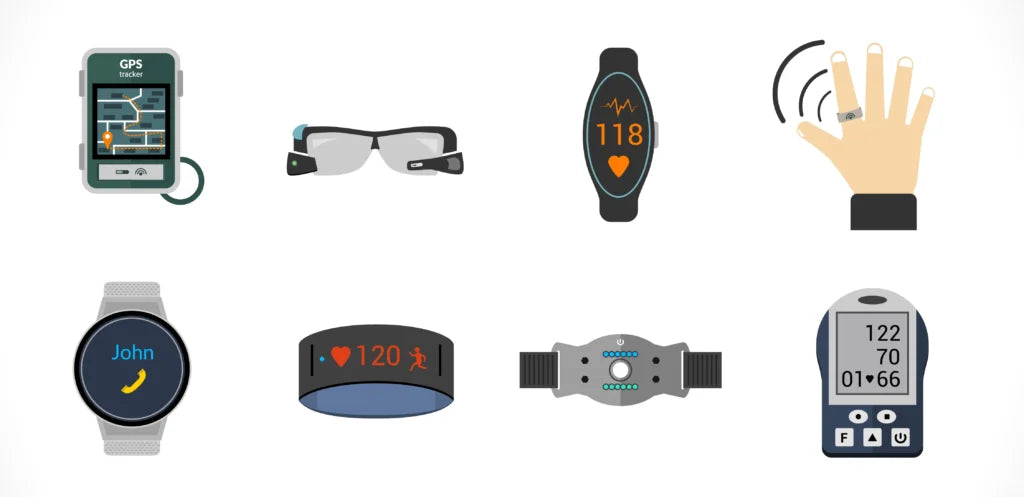
Wrist-based devices are familiar. Many people already wear watches or fitness trackers, which makes the wrist feel like an obvious place for new technology.
However, wrists are not ideal for listening. They move constantly. They are often far from the mouth. And wrist-based devices tend to prioritize notifications, screens, and quick interactions.
This makes them good for prompts and signals, but less effective for capturing speech clearly or supporting deeper recall.
The wrist works best for glancing, not listening.
Phone-based solutions
Phones are powerful and always nearby, but they are also crowded.
Using a phone for transcription usually requires opening an app, pressing record, and remembering to stop. This works well for intentional recording, but it adds friction.
Phones are designed to demand attention. Memory tools often work best when they ask for as little of it as possible.
Phones can support transcription, but they struggle to support calm, continuous memory.
Why the necklace works best for memory
When the goal is remembering rather than recording, consistency matters more than convenience.
A necklace stays in one place. It stays close to the voice. It stays with the person across rooms, conversations, and moments. It does not need to be remembered, activated, or repositioned.
This makes it uniquely suited for memory-first AI devices. Especially for people who struggle with context switching, interruptions, or holding onto thoughts as they move through the day.
Other form factors are useful. Each has a place. But when continuity, clarity, and low effort matter most, the necklace quietly does the best job.
Not because it does more.
Because it asks for less.
Choosing the right form factor
The right form factor depends on what you want help with.
If you want to document specific moments, tools that you activate intentionally may be enough. If you want support across a day, across conversations, and across changing contexts, something that stays with you matters.
Form factor is not a detail.
It is the experience.
Share:
A guide to AI devices that transcribe your life
AI assistance devices and ADHD. What actually helps