


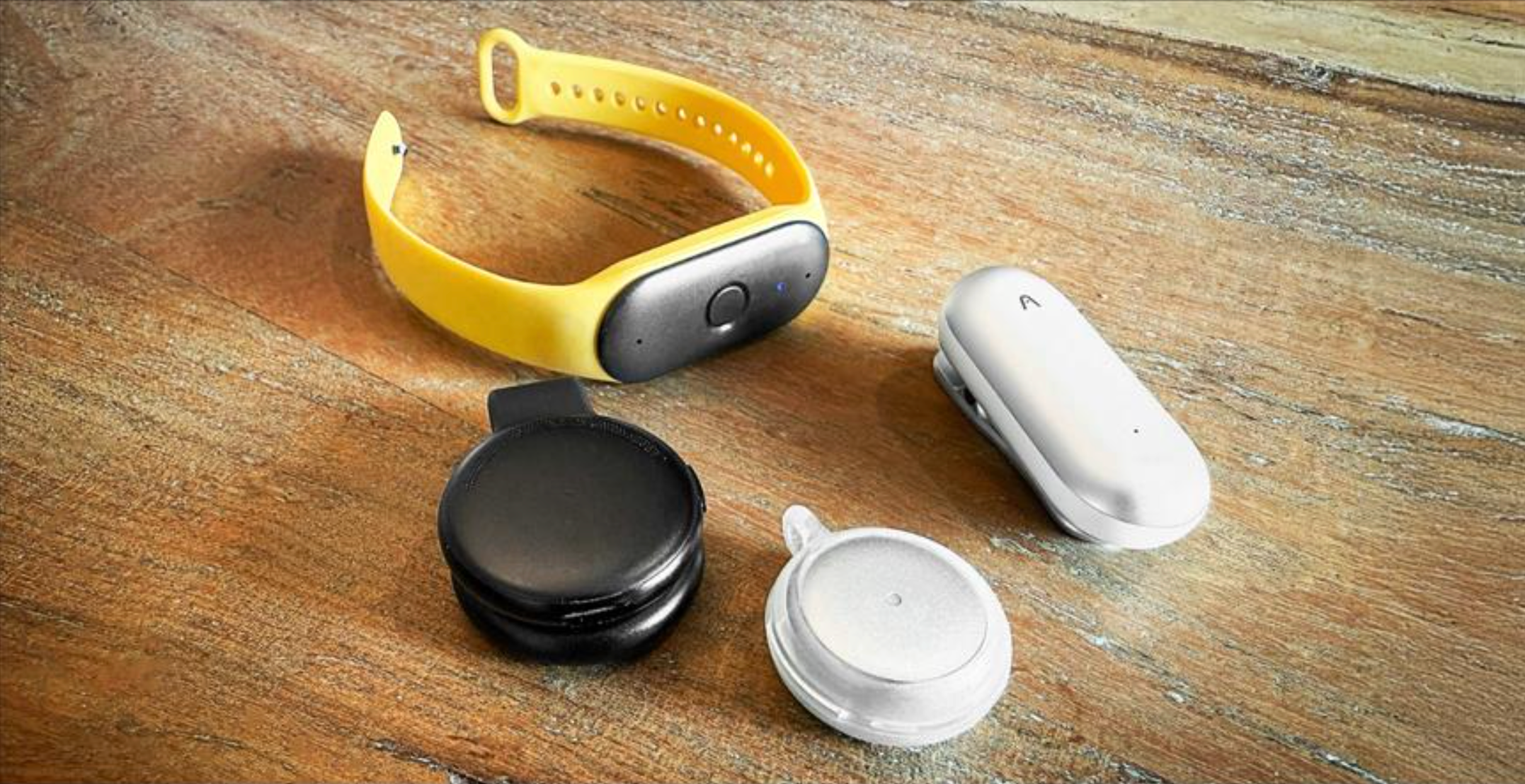
The difference between AI pendants and AI rings
As AI-enabled wearables move beyond watches and phones, two form factors are often discussed together: pendants and rings.
They are sometimes grouped under the same category, but in practice, they are designed for very different jobs.
Understanding that difference makes it much easier to choose the right kind of device.
What AI rings are designed for
AI rings are best understood as health and body tracking devices.
They sit on the finger, where they can continuously measure physiological signals like heart rate, sleep quality, temperature, movement, and recovery. This is the same category pioneered by products like Oura.
Because of their size and placement, rings are optimized for sensing the body, not listening to speech.
They are excellent at answering questions like:
-
How did I sleep
-
How recovered am I
-
How active was I today
-
How is my body responding over time
Some newer rings add light AI features, such as insights or summaries based on health data. But the core function remains the same.
AI rings track physiology.
What AI pendants are designed for
AI pendants are built for a completely different purpose.
They sit on the chest, close to the voice. This placement makes them well suited for capturing speech clearly throughout the day without needing to be held, tapped, or repositioned.
Pendants are designed for:
-
conversation capture
-
transcription and summarization
-
memory and recall
-
carrying context across conversations
Where rings sense the body, pendants listen to the world.
This is not a small difference. It defines what each device can do well with minimal effort from the wearer.
Why rings are not ideal for transcription
Rings are far from the mouth and constantly in motion. Hands move, touch surfaces, and create noise.
This makes rings poorly suited for ambient or continuous speech capture. Any transcription functionality added to a ring typically requires intentional gestures or bringing the hand closer to the face.
That kind of interaction works for commands, not for memory.
Rings are excellent at passive sensing. They are not designed to listen all day.
Why pendants work for transcription
Pendants stay in a stable position near the source of speech. They do not move much during normal activity. They do not require activation.
This makes them naturally suited for transcription and memory-first use cases. They can capture conversations as they happen and surface meaning later without interrupting the moment.
For people who want help remembering what was said, rather than tracking how their body responded, this distinction matters.
Different goals, different tools
It is tempting to compare AI pendants and AI rings as competitors.
In reality, they solve different problems.
-
Rings help people understand their bodies
-
Pendants help people remember their lives
Both can be useful. Some people may even use both.
But expecting a ring to function like a transcription device is like expecting a sleep tracker to take meeting notes.
Choosing the right form factor
If your primary goal is health tracking, recovery, and sleep, an AI ring makes sense.
If your primary goal is remembering conversations, ideas, and context across a day, a pendant is the better fit.
Form factor is not a preference. It is the product.
Share:
What happened to Humane
Why memory support feels different from productivity tools