


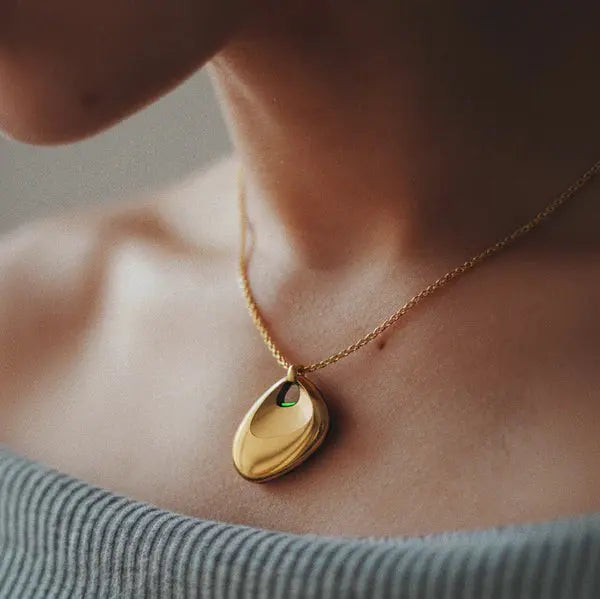
The cheapest AI pendant is not the one with the lowest price tag. Bee costs $49.99 and Omi costs about $89, but subscriptions can multiply either figure several times over across three years of ownership. Run the arithmetic properly and the ranking scrambles, because in this category the hardware is frequently the smallest line item.
What Does an AI Pendant Actually Cost Over Three Years?
| Device | Hardware | Subscription | 3-year total |
|---|---|---|---|
| Bee | $49.99 | Currently waived | $49.99 today, $734 if the old $19/mo returns |
| Plaud NotePin S | $179 | Free tier, Pro $99.99/yr | $179 on free tier, $479 on Pro |
| Friend 2.0 | $249 | $10/mo optional | $249, or $609 with extended memory |
| Sandbar Stream | $249 | Free tier, $10/mo Pro | $249, or $609 on Pro |
| Omi | ~$89 | $269/yr Unlimited | $896 on Unlimited |
| Taya | $89 deposit, final price not disclosed | None announced | Not yet knowable |
One line should stop you. Omi looks like the budget pick at roughly $89, and on the Unlimited plan it ends up costing about ten times its hardware price across three years. Nothing on the product page prepares you for that. Meanwhile Plaud, which costs more than three times as much up front, can come in at $179 total if your usage fits inside the free tier.
Note the Taya row carefully, because it is the most commonly misreported number in this category. The widely quoted $89 is a pre-order deposit applied toward the final purchase price, not the price. Taya has not published what the necklace will actually cost. Any guide listing it at $89 alongside finished products is comparing a deposit to a retail price.
Why Is the Sticker Price So Misleading?
Because the economics of this category are not the economics of a gadget. Every one of these devices sends audio or text to a language model, and inference costs the manufacturer real money every day you wear it. A pendant that listens all day generates a running bill for the company that sold it.
That leaves two business models. Sell hardware cheaply and recover it monthly, which is what Bee, Omi, and Plaud's paid tiers do. Or charge more up front and bundle the running cost. Neither is a trick. They are different answers to the same unavoidable expense, and the second one just puts the number where you can see it.
The reason this matters at purchase time is that people compare the first number they see. Over three years, depending on which tiers you land on, two devices advertised hundreds of dollars apart can end up costing nearly the same.
Which Free Tiers Are Actually Usable?
This is where published prices stop being the whole story, because most free tiers are metered in minutes and the meters are small.
Plaud NotePin S gives you 300 minutes a month free. That is five hours, which covers a handful of meetings but not a working week of them. If you bought a recorder because you are in meetings constantly, you are on the paid tier within a month.
Sandbar Stream and Friend 2.0 both work without paying, and their paid tiers extend rather than unlock. Friend's $10 a month pushes memory past the default 30-day window, which matters only if you care about what it remembers from last quarter.
Bee is the outlier and the one to watch. Its subscription is currently waived following Amazon's July 2025 acquisition, which is why it looks unbeatable at $49.99. Waived is not the same as abolished. Price it at what you would tolerate if the fee came back, because a $19 monthly charge would put it at $734 across three years.
The general rule: a free tier measured in minutes per month is a trial, not a plan. Work out how many minutes you would actually use before treating it as free.
What Should You Compare Instead of Price?
Cost per usable hour, roughly. Two devices at the same three-year total are not equivalent if one caps you at five hours a month and the other does not cap you at all.
Then ask three questions the pricing page will not answer for you.
What happens if you stop paying? Some devices keep working with reduced features. Others become inert. This is the single most important thing to establish before buying, and it is almost never on the pricing page.
Can you export your data? If the transcripts only live inside one company's app, the subscription is not really optional after the first year, because cancelling means abandoning your archive. That is a switching cost, and it should be priced as one.
What happens if the company is acquired? Not hypothetical here. Meta acquired Limitless in December 2025 and ended sales. Amazon acquired Bee in July 2025 and waived its fee, which was good for buyers, but the same owner can reverse that decision just as easily. We covered the fallout for existing owners in Limitless Pendant Discontinued: The Best Alternatives in 2026.
The Takeaway
Budget by three-year total, not by sticker price, and check what your actual usage does to the free tier before you count it as free.
On that basis, Plaud NotePin S at $179 is the best value if your recording is occasional and deliberate, because the free tier is genuinely free and 300 minutes covers real use. Bee is either the bargain of the category at $49.99 or a $734 device, depending entirely on a decision Amazon has not made public. Omi is the one most likely to surprise people at $896 on Unlimited, because nothing about the $89 hardware price suggests it. And Taya cannot be ranked yet, because a deposit is not a price.
The broader point is that subscription structure tells you what a company expects of you. Metered tiers assume light, occasional use and charge you when you exceed it. Flat pricing assumes heavy use and builds it in. Neither is generous or stingy on its own. What matters is which assumption matches your week, because the mismatch is where the unexpected bills come from.
Legend sits on the flat side of that line by design. It is a voice-first AI pendant made for people with ADHD, built to run continuously rather than in metered sessions, which is only workable if there is no minute counter to watch. Membership covers unlimited transcription and storage at one annual cost with no tier to graduate into, the first year is included, and the pendant transcribes in real time across more than 150 languages while keeping no raw audio. If you are weighing the field on everything other than money, our Best AI Pendant 2026 guide ranks them on capture style, battery, and privacy design.
FAQ
Do all AI pendants require a subscription? No. Bee's fee is currently waived and Taya has announced none. Friend and Sandbar work on free tiers with optional paid upgrades. Omi and Plaud have paid plans that most regular users will end up on.
What is the cheapest AI pendant over three years? Bee at $49.99 while Amazon continues to waive the fee, then Plaud NotePin S at $179 if 300 free minutes a month covers your use. Taya's $89 is a pre-order deposit rather than a retail price, so it cannot be compared yet.
How much does the Taya necklace cost? Taya has not disclosed a retail price. The $89 widely quoted is a pre-order deposit applied toward the final purchase price, with first units expected to ship later in 2026.
Why do AI wearables charge monthly? Because transcription and language model processing cost the manufacturer money every day the device is worn. Companies either recover that monthly or build it into a higher up-front price.
Does an AI pendant still work if you cancel the subscription? It varies by device and it is the most important question to ask before buying. Some keep basic functions, others stop working usefully. Check before you commit, because it is rarely stated on the pricing page.
Pricing above reflects publicly listed figures at the time of writing and excludes tax and shipping. Subscription terms in this category change frequently, so confirm current pricing with each manufacturer before purchase.
Share:
AI Necklace vs AI Pendant: What Is the Difference, and Which Should You Buy?
The ADHD Second Brain: Why Note-Taking Systems Fail and What Actually Works